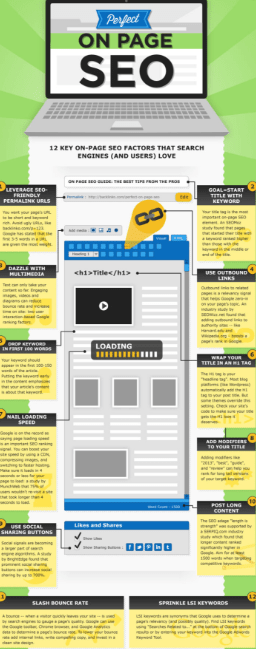
In the digital world, effective lead generation is crucial for business growth. At Webinfomatrix, we understand the power of a well-optimized website. Our proven on-page SEO checklist is designed to enhance your site’s visibility, attract more qualified leads, and ultimately drive success. Whether you’re a small business or an established enterprise, our comprehensive approach ensures your website performs at its best. Dive into our essential checklist to discover how you can optimize your site for optimal lead generation.
What is On-Page SEO?
On-page SEO refers to the practice of optimizing individual web pages to rank higher and earn more relevant traffic in search engines. Unlike off-page SEO, which involves external factors like backlinks, on-page SEO focuses on elements within your website that you can control. This includes content, HTML tags, and overall site structure.
Why On-Page SEO Matters
Effective on-page SEO helps search engines understand the content of your pages, making it easier for them to rank your site for relevant queries. Proper optimization not only improves your search engine rankings but also enhances user experience, leading to better engagement and higher conversion rates.
Webinfomatrix’s Proven On-Page SEO Checklist
Start by conducting thorough keyword research to identify the terms and phrases your target audience is searching for. Use tools like Google Keyword Planner or SEMrush to find relevant keywords with high search volume and low competition. Incorporate these keywords naturally into your content to improve relevancy and ranking.
Content Creation
Create content that addresses the needs and interests of your audience. High-quality content should be informative, engaging, and provide value. Incorporate keywords strategically, but avoid keyword stuffing, which can harm readability and SEO performance.
Content Freshness
Regularly update your content to keep it relevant and accurate. Search engines favor fresh content, so periodically revisiting and enhancing older posts can boost your rankings and maintain user interest.
Optimizing Title Tags and Meta Descriptions
Title Tags
Your title tag is one of the most important on-page SEO elements. It appears in search engine results and browser tabs, so make it compelling and relevant. Include your primary keyword and keep the title under 60 characters to ensure it displays properly in search results.
Meta Descriptions
Meta descriptions provide a summary of your page’s content and appear beneath the title in search results. Write a clear, engaging meta description that includes your target keywords and entices users to click through to your site. Aim for around 150-160 characters to avoid truncation.
Utilizing Header Tags
Header Tags Overview
Header tags (H1, H2, H3, etc.) help organize your content and make it easier for both users and search engines to navigate. Use header tags to structure your content logically and include relevant keywords where appropriate.
H1 Tag
The H1 tag should contain your main keyword and clearly describe the content of the page. It is typically used for the page title and should be unique for each page on your site.
H2 and H3 Tags
Use H2 and H3 tags to break down your content into subheadings. This not only improves readability but also helps search engines understand the hierarchy and relevance of your content.
Optimizing URL Structure
URL Best Practices
A well-structured URL is crucial for both user experience and SEO. Keep URLs short, descriptive, and keyword-rich. Avoid using unnecessary parameters and ensure that each URL accurately reflects the content of the page.
Enhancing User Experience
Mobile Optimization
With the majority of web traffic coming from mobile devices, it’s essential to ensure your site is mobile-friendly. Implement responsive design to provide an optimal viewing experience across all devices and screen sizes.
Page Load Speed
Page load speed is a critical factor for both user experience and SEO. Use tools like Google PageSpeed Insights to analyze your site’s performance and implement recommendations to improve load times. This includes optimizing images, leveraging browser caching, and minimizing code.
Internal Linking
Importance of Internal Links
Internal links help search engines discover and index other pages on your site, while also guiding users to related content. Include relevant internal links within your content to improve navigation and keep visitors engaged longer.
Link Optimization
Use descriptive anchor text for your internal links and ensure they lead to relevant pages. Avoid excessive linking, which can overwhelm users and dilute the effectiveness of each link.
Image Optimization
Alt Text
Alt text provides a description of images for search engines and users who cannot view them. Include relevant keywords in your alt text while accurately describing the content of the image.
Image Compression
Optimize image sizes to reduce load times without sacrificing quality. Tools like TinyPNG can help compress images without noticeable loss in visual fidelity.
Implementing Schema Markup
What is Schema Markup?
Schema markup is a type of structured data that helps search engines understand the context of your content. By adding schema markup to your pages, you can enhance search result listings with rich snippets, such as star ratings or product prices.
How to Use Schema Markup
Implement schema markup using JSON-LD, a popular and search-engine-friendly format. Use tools like Google’s Structured Data Markup Helper to generate and validate your schema code.
Monitoring and Analyzing Performance
Analytics Tools
Regularly monitor your site’s performance using tools like Google Analytics and Google Search Console. Track metrics such as organic traffic, bounce rates, and conversion rates to assess the effectiveness of your on-page SEO efforts.
Continuous Improvement
SEO is an ongoing process. Continuously analyze your site’s performance, stay updated with SEO trends, and make necessary adjustments to maintain and improve your rankings
Implementing Webinfomatrix’s proven on-page SEO checklist will help you optimize your website for optimal lead generation. By focusing on high-quality content, effective keyword usage, and a user-friendly experience, you can enhance your site’s visibility and attract more qualified leads. Embrace these best practices and watch your online presence grow. For more expert guidance and personalized SEO strategies, contact Webinfomatrix today and let us help you achieve your digital marketing goals.
Get in Touch
Website – https://www.webinfomatrix.com
Mobile – +91 9212306116
Whatsapp – https://call.whatsapp.com/voice/9rqVJyqSNMhpdFkKPZGYKj
Skype – shalabh.mishra
Telegram – shalabhmishra
Email – info@webinfomatrix.com
 Site Title